
TEMPEST PHOTOPERIOD
Every Detail Was Designed with a Purpose
An underwater luminaire for salmon farming is not a conventional lighting product with a water-resistant housing. It is an electro-optical-mechanical system that must operate without failure throughout complete production cycles, underwater, in one of the most aggressive environmental conditions that exist. At EVOLUX LAB, every TEMPEST design decision responds to a real operational need of the industry.
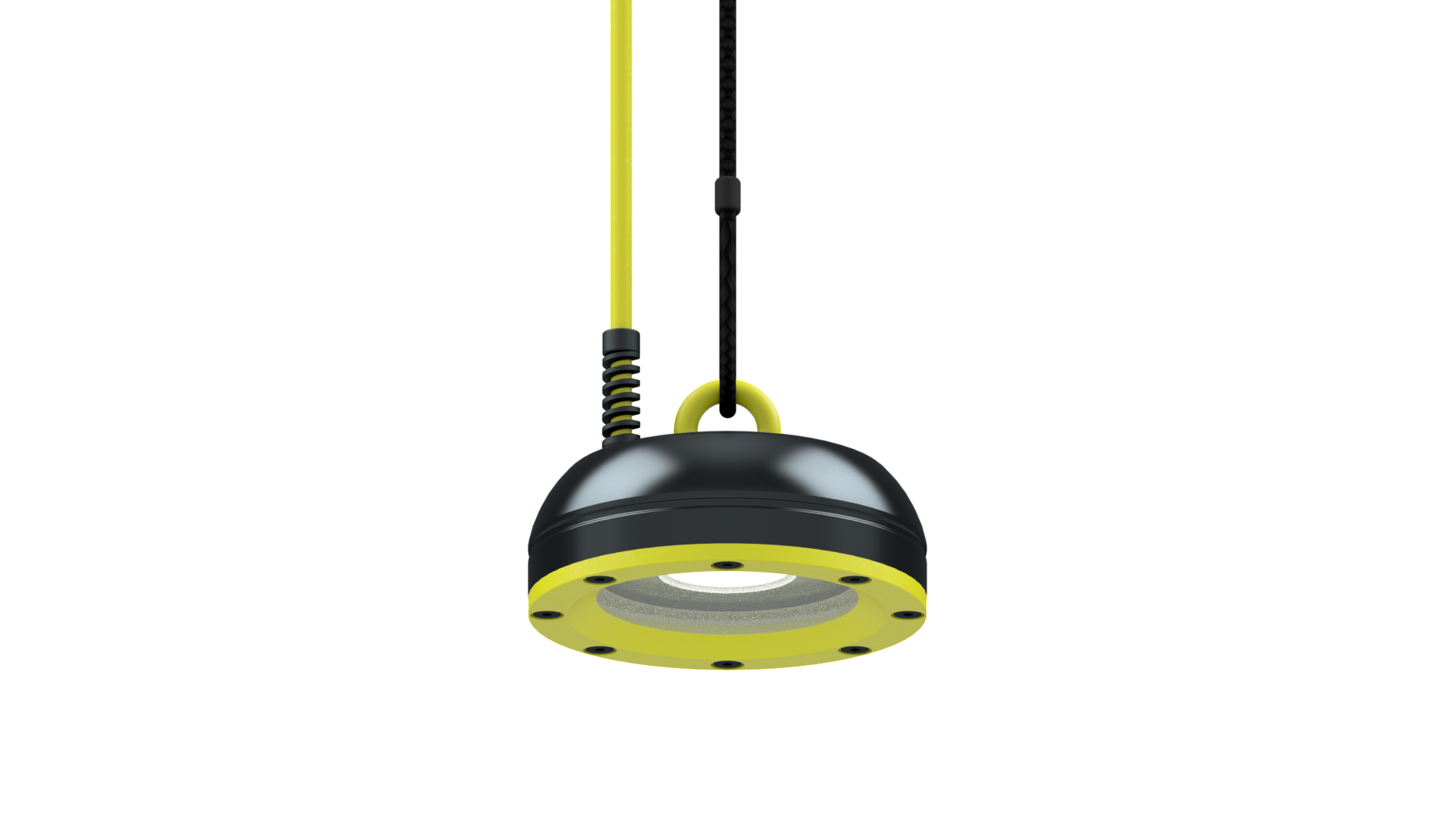
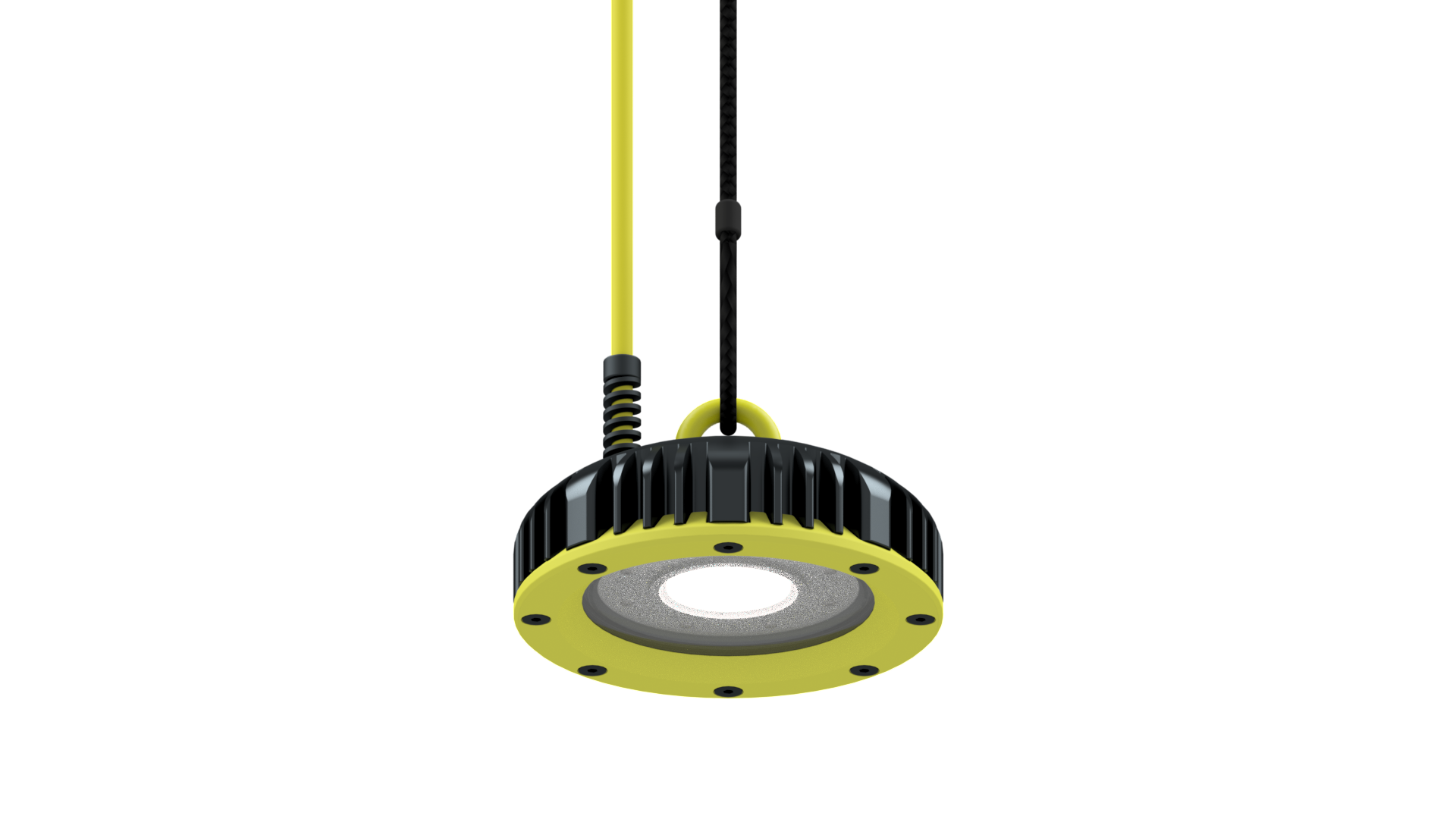
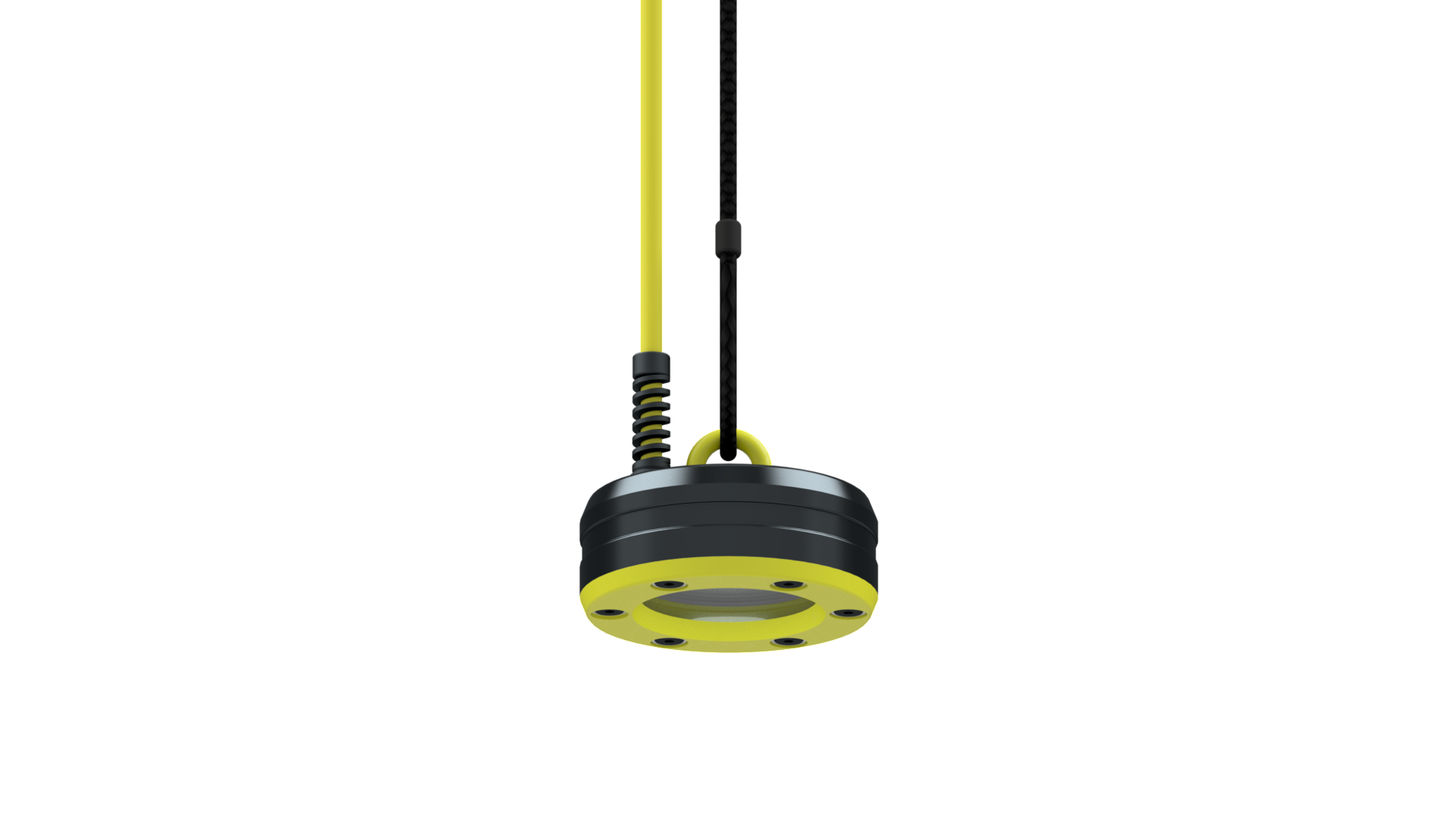
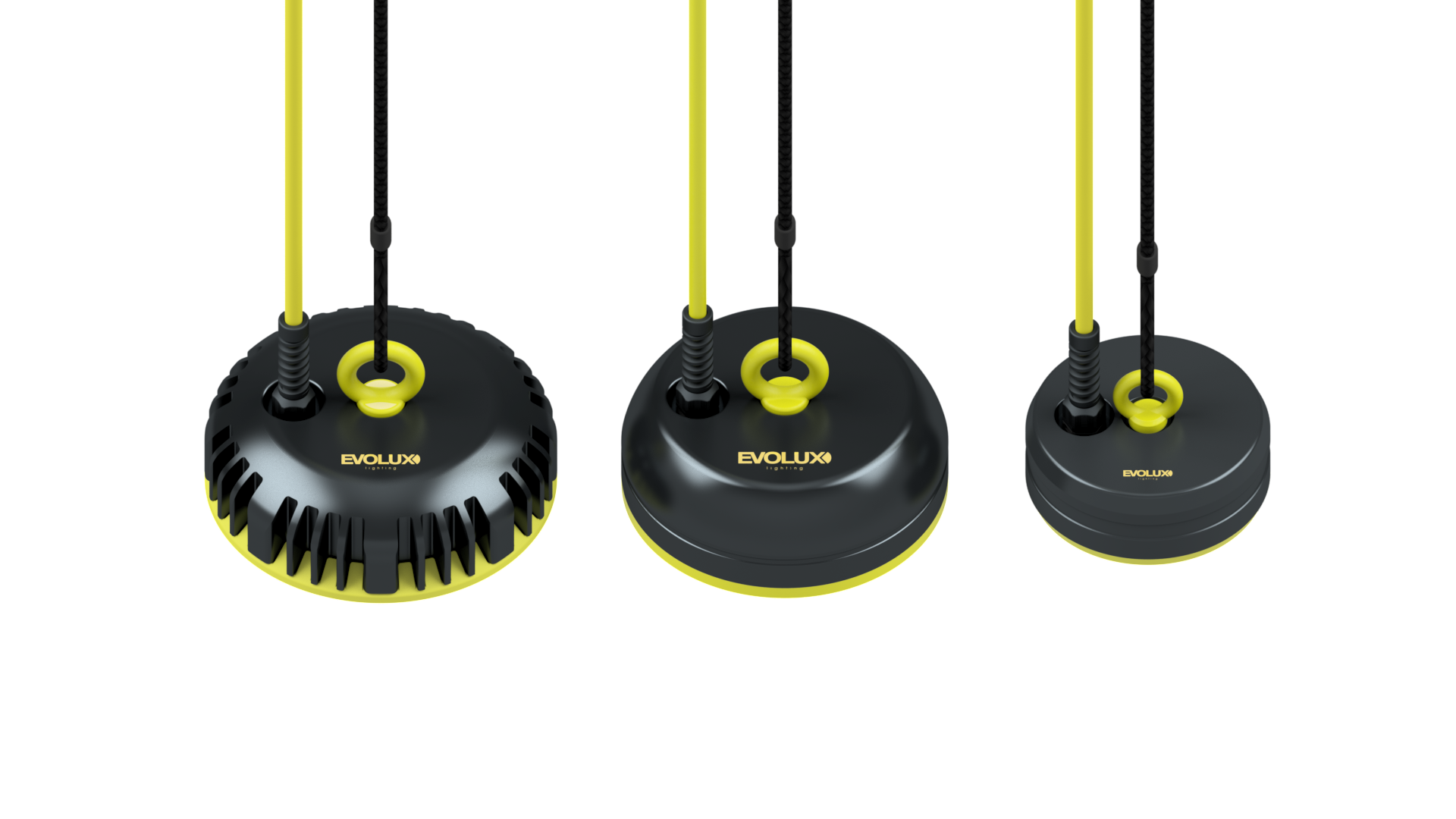
Optical System
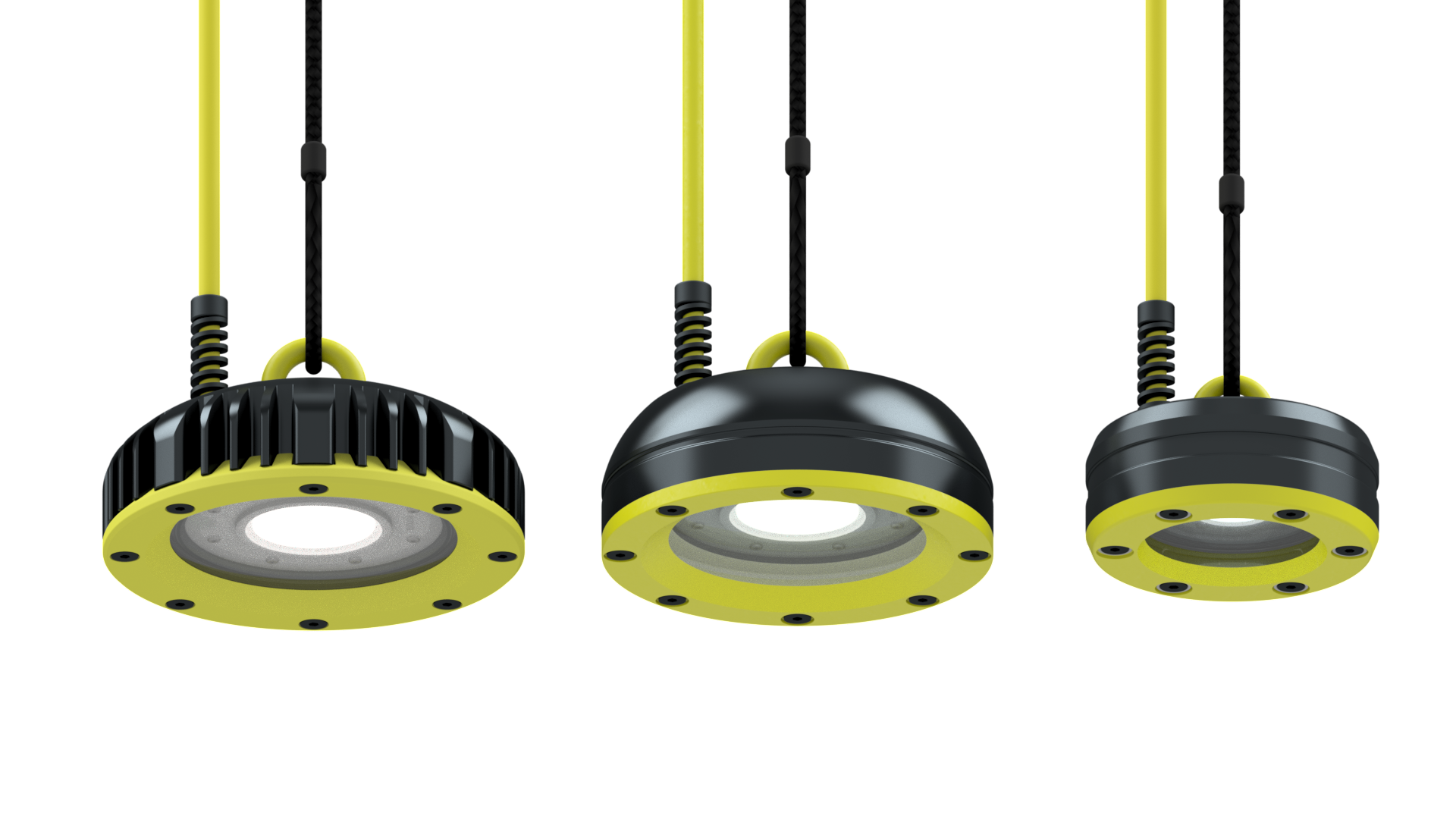
Self-cleaning optical window TEMPEST's optical cover incorporates a continuous self-cleaning mechanism that keeps the surface free of biofouling autonomously — without external intervention, without degradation of light transmission throughout the cycle. It is the only point of direct contact between the optics and the water, and it is solved permanently.
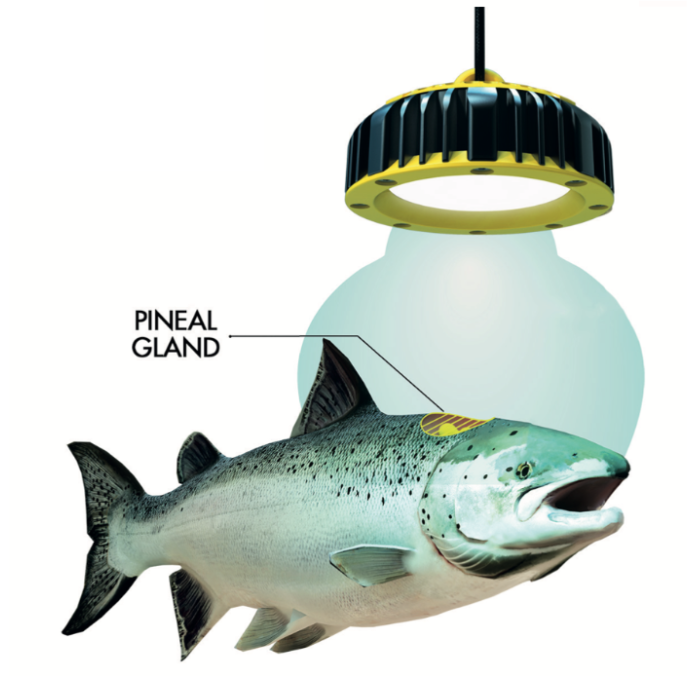
Illumination pattern directed at the pineal gland TEMPEST's angular distribution is designed to direct useful energy directly into the cage's water column, minimizing emission toward the surface (energy lost as light pollution) and toward the bottom (ineffective for photoperiod). Each emitted photon has a higher probability of reaching the salmon's pineal gland than in any omnidirectional design. This principle is the foundation of the DUP (Directed Useful Power) index developed by EVOLUX.
Body and Sealing
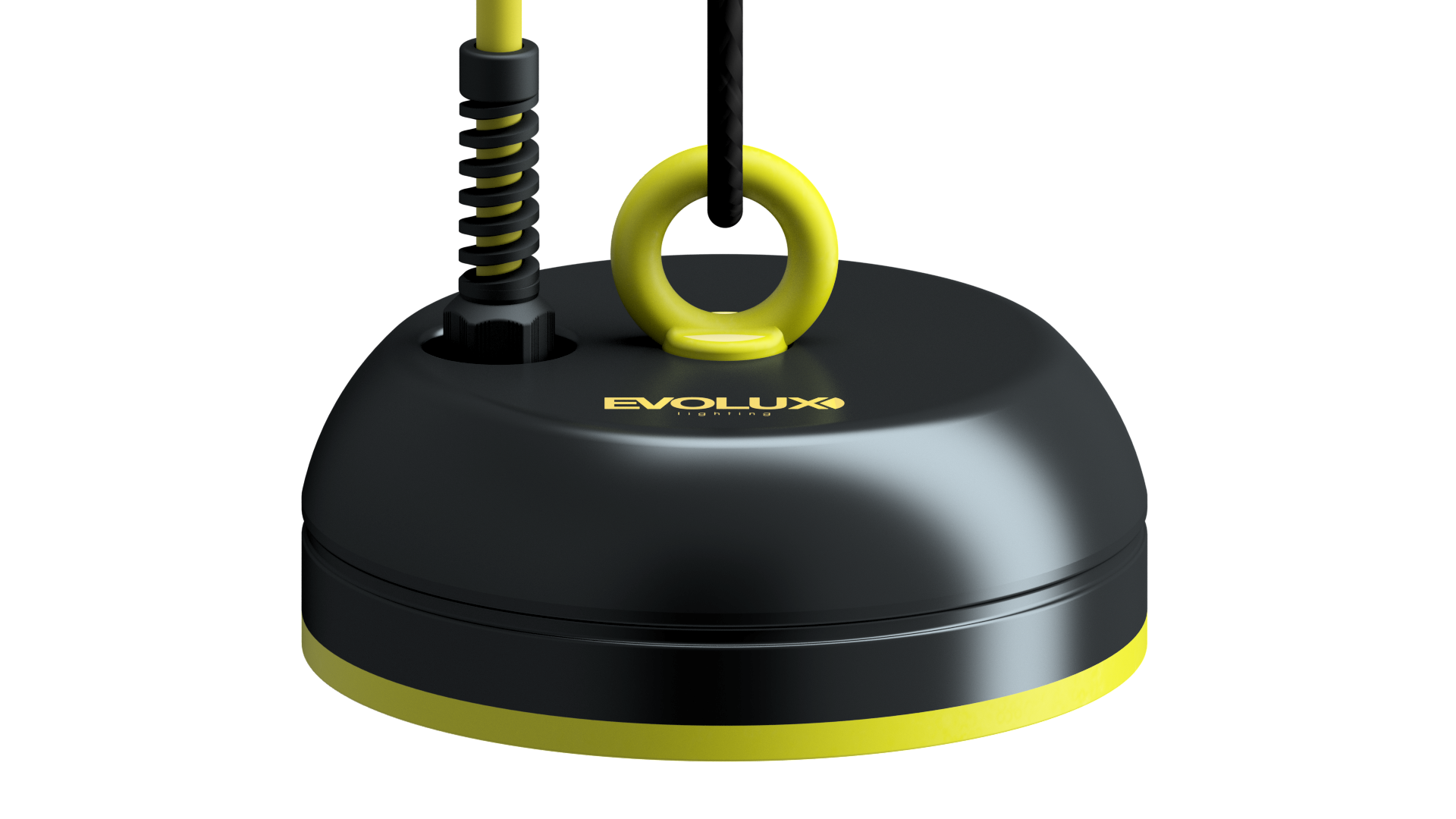
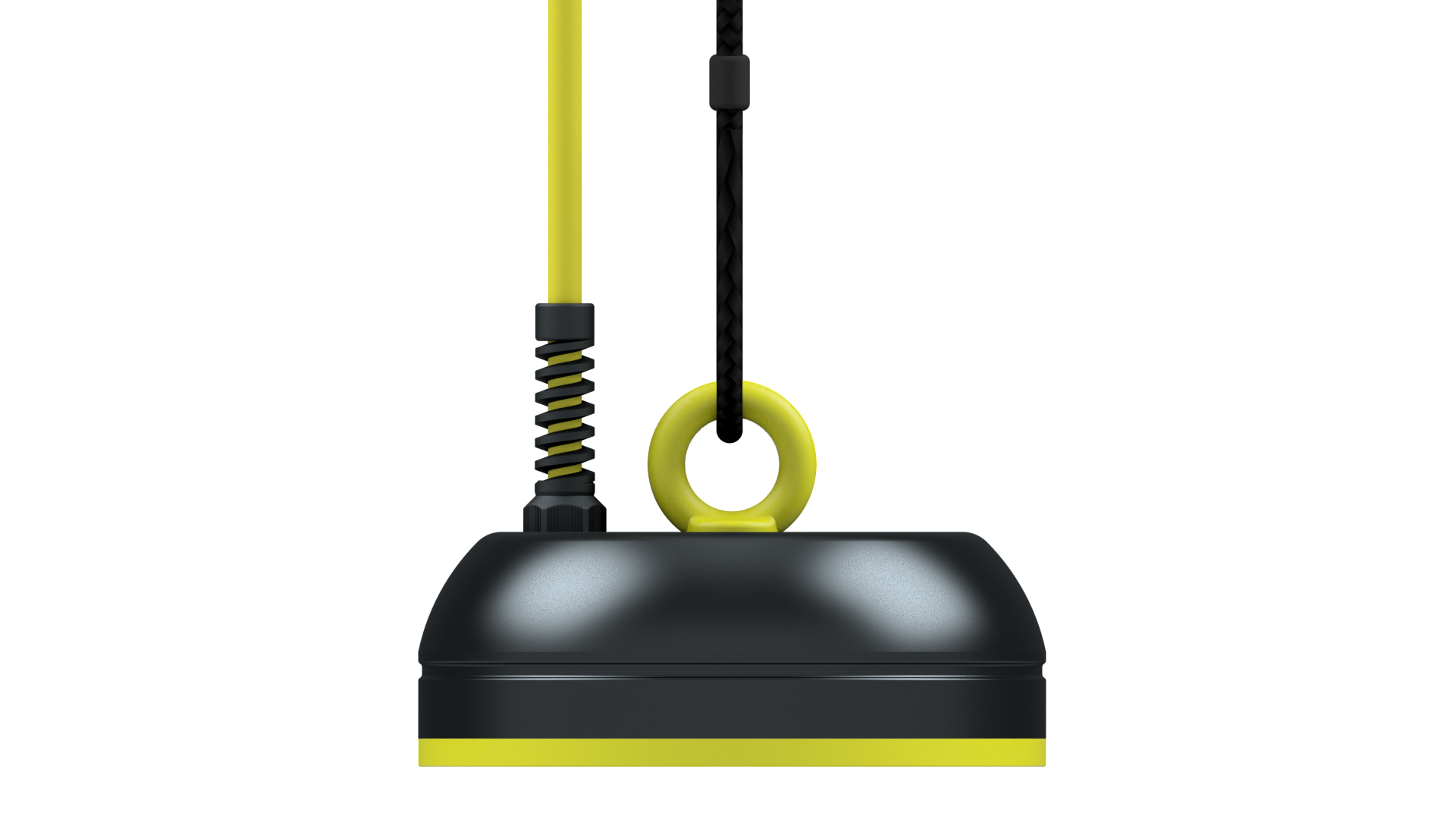
Smooth, hydrodynamic aluminum body TEMPEST's exterior profile is compact, smooth, and free of protrusions. This design is not just aesthetic — it is functional in three dimensions: first, it minimizes hydrodynamic resistance at high-energy sites and during storms, keeping the unit stable in its position without displacement; second, it eliminates cavities where ropes and nets could snag; third, it maximizes the effective surface contact with the water for passive thermal dissipation.
Antifouling treatment on the outer body The outer surface of the body receives an antifouling treatment that suppresses biological adhesion throughout the complete production cycle. Combined with the self-cleaning window, TEMPEST can operate up to 20 months without cleaning intervention without compromising optical or thermal performance — a standard no competitor on the market can match.
Industrial sealing for over 8 years of use TEMPEST's seals are dimensioned to exceed 8 years of continuous underwater operation. These are not standard outdoor luminaire seals adapted for immersion — they are industrial seals specifically selected and validated for the seawater conditions of southern Chile: temperature, salinity, pressure, and repeated immersion and emergence cycles. TEMPEST 4.0 has been validated in a hyperbaric chamber under conditions equivalent to IP69K at 135 meters depth for 10 continuous days.
Internal moisture protection The luminaire's interior includes additional barriers against moisture ingress, independent of the main seal. This redundant protection ensures that even in the event of gradual degradation of the outer seal, the internal electronic components remain protected.
Weight and Underwater Stability
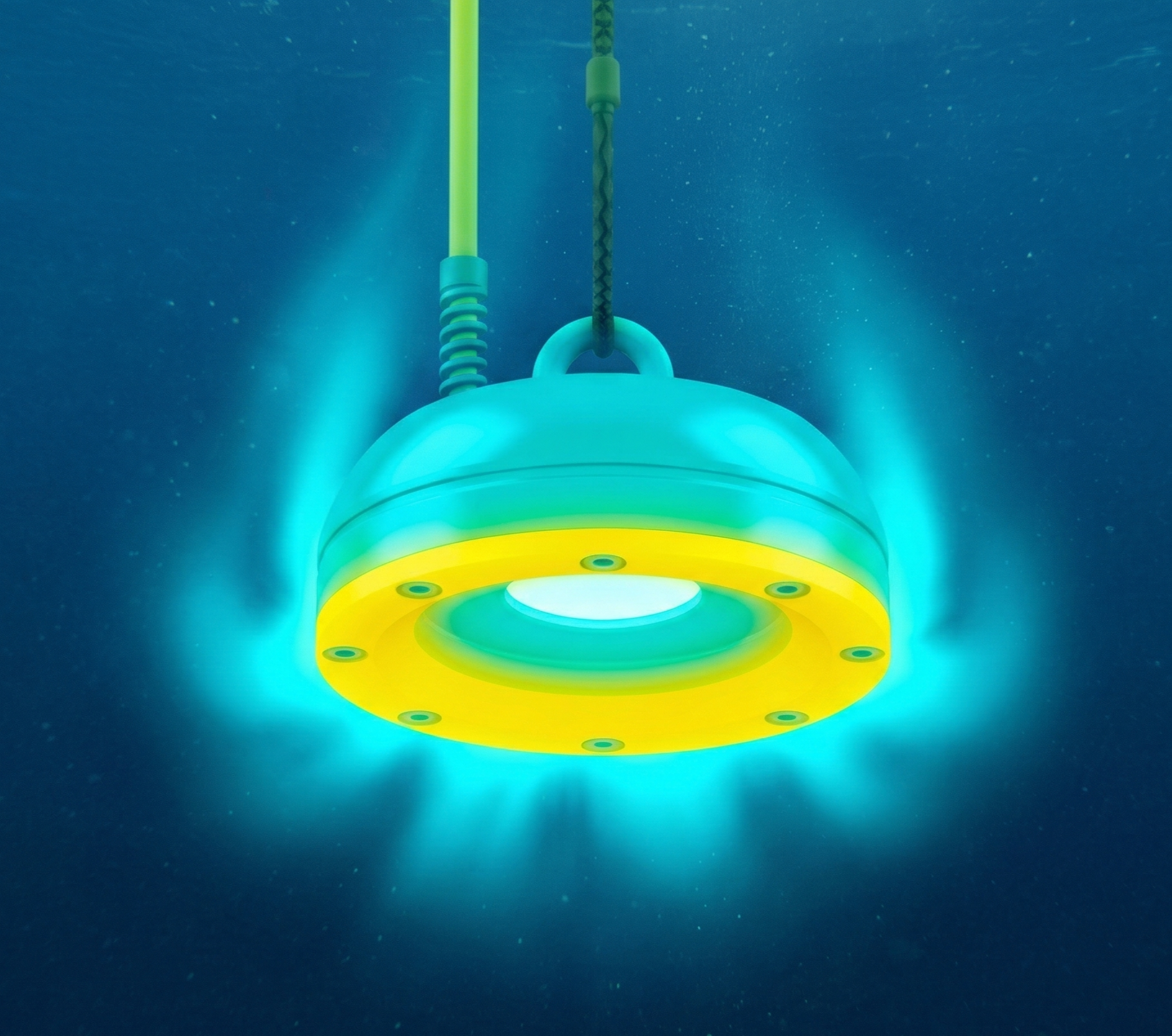
Designed to operate underwater, not just resist it TEMPEST weighs more than 3 kg out of the water, but its design without air cavities and optimized geometry brings it to 1.7 kg of effective weight underwater. This balance is deliberate: enough weight to maintain a stable position without the need for additional buoys, without the excess weight that complicates installation and on-deck handling. The luminaire stays in its design position even under wave and current conditions, ensuring that the light distribution calculated in the installation design is maintained in practice.

Thermal System
Thermal chain from chip to water TEMPEST's thermal design optimizes heat transfer from the LED chip to the seawater, which acts as a natural heat sink. The internal architecture — bare die chip on ceramic substrate, low-resistance thermal interface, high-conductivity aluminum body — minimizes thermal resistance at each stage. The result is a junction temperature that operates significantly below the chip manufacturer's limits even at maximum power, guaranteeing the declared efficiency and a service life of over 50,000 hours.
Automatic internal thermal protection (thermal shutdown) If the luminaire is removed from the water during operation — due to a maintenance maneuver, an accident, or an inspection — the internal thermal protection detects the temperature increase and automatically shuts down the luminaire before components reach risk temperatures. No operator intervention is required. The luminaire resumes normal operation once submerged again.
Electrical Insulation and Safety
Dielectric by ceramic design The use of ceramic materials in TEMPEST's substrates and internal elements provides intrinsic electrical insulation — not dependent on paint or coating layers that can degrade. This eliminates the possibility of galvanic currents between dissimilar materials, one of the main causes of internal corrosion in conventional underwater luminaires. The galvanic insulation protects both the integrity of the product and the safety of personnel and fish.
DC protection between driver and luminaire The submerged cable connecting the driver to the luminaire operates on direct current (DC) through high-quality industrial drivers. In case of cable cut or damage underwater, the driver detects the fault instantly and shuts off the power supply, eliminating the risk of dangerous voltage in the cage water. This architecture meets the highest electrical safety standards for underwater installations.
Intelligent Control — TempestSmart
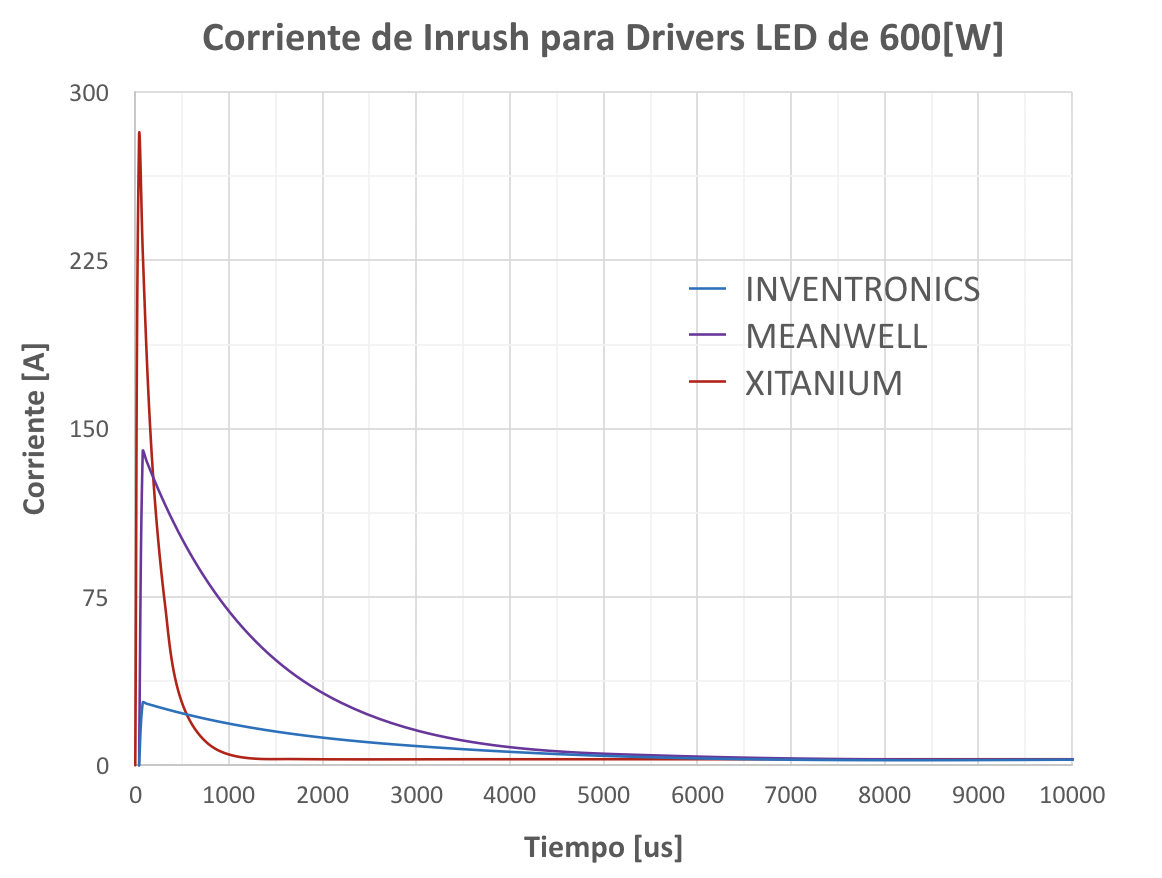
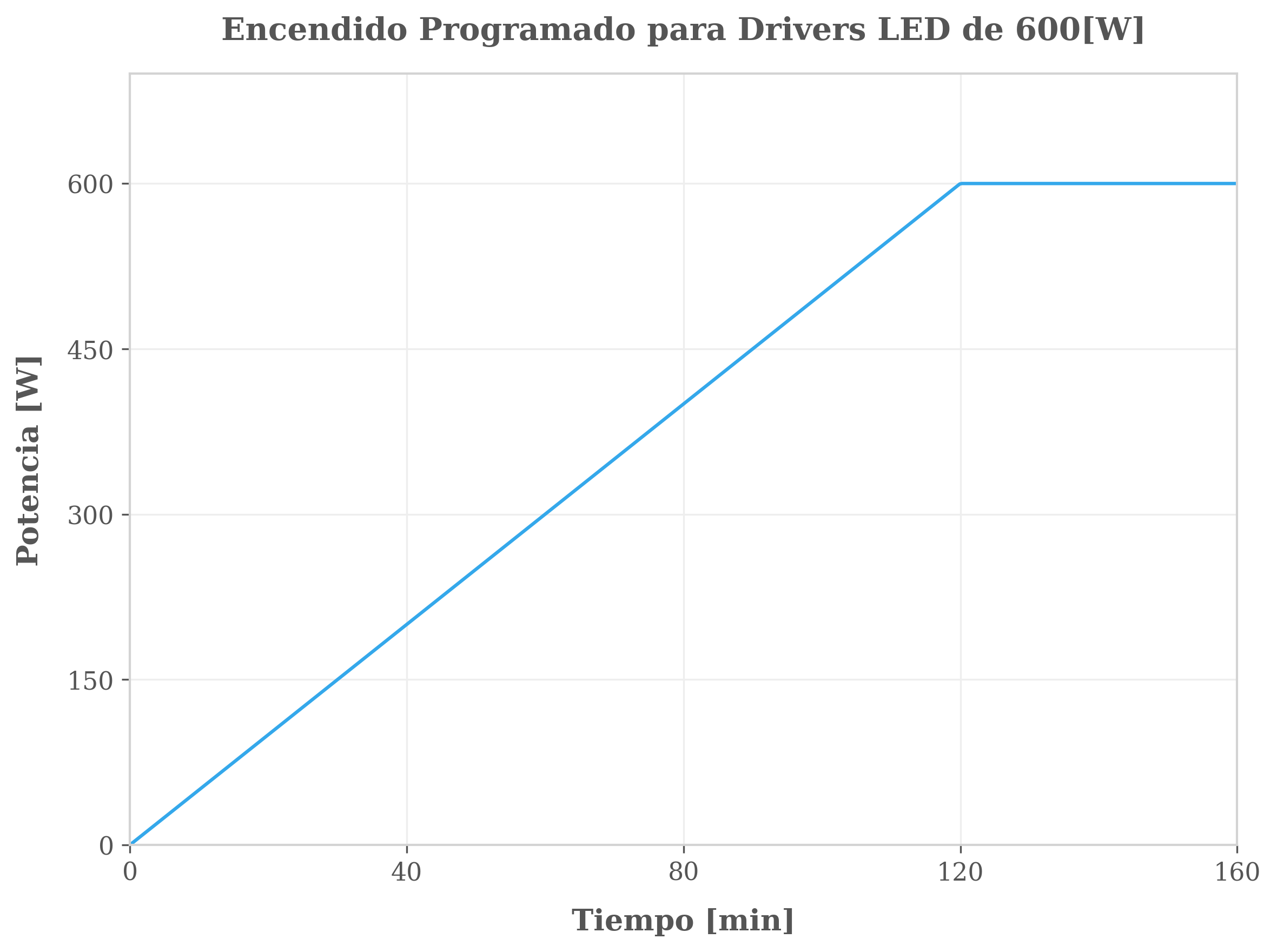
Dimming from 0.1% with real irradiance sensor TEMPEST is compatible with TempestSmart, the intelligent photoperiod control system developed by EVOLUX. TempestSmart allows regulating the luminaire's intensity from 0.1% — an exceptional dimming resolution that enables artificial dawn and dusk cycles that are completely gradual and imperceptible to the fish. The system incorporates an underwater irradiance sensor that measures the actual light in the water column and adjusts the level of the luminaires to ensure the correct photobiological threshold, maximizing energy efficiency without sacrificing the effect on the pineal gland.
Complete datalogger TempestSmart records a complete history of the installation: measured irradiance, dimming levels, on/off cycles, energy consumption, and system events. This record allows auditing compliance with the photoperiod protocol, identifying anomalies early, and backing operational decisions with real data — not estimates.
Multi-protocol compatibility TEMPEST is compatible with the main lighting control protocols used in the industry: DALI, DMX, 0–10V, programmed timer, and digital dimming. This flexibility allows it to be integrated with both TempestSmart and existing control systems at the site, without the need to replace previous control infrastructure.
Need more information or want to schedule a technical visit? tempest@evolux.cl